How Routine Lift Maintenance Prevents Costly Breakdowns
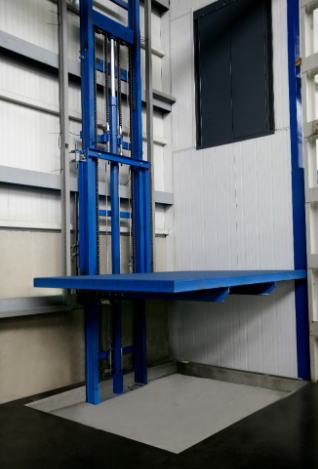
An elevator that stops unexpectedly disrupts entire buildings, frustrates occupants, and pressures property managers. Most serious mechanical problems begin with small warning signs that routine inspections can identify early.
Regular lift maintenance helps building owners protect equipment, control repair expenses, improve passenger safety, and keep daily operations running smoothly without unnecessary interruptions.
Identifying small faults before they grow
Minor elevator problems rarely appear serious at first. Unusual sounds, slow door movements, jerky rides, and delayed responses may indicate developing mechanical faults. Regular inspections help technicians recognise warning signs before components suffer extensive damage.
Replacing a worn part early usually costs considerably less than repairing an entire lifting mechanism after a major failure.
Extending the lifespan of equipment
Elevator motors, cables, pulleys, guide rails, and control systems experience regular wear during daily operation. Routine servicing helps technicians monitor component condition and address friction, loose connections, and alignment problems.
Proper lubrication and timely adjustments reduce unnecessary mechanical stress. Consistent maintenance supports longer equipment life and helps building owners protect their investment.
Reducing unexpected repair expenses
Emergency elevator repairs can place considerable pressure on maintenance budgets. Replacement parts, urgent technician visits, and operational interruptions increase overall expenses. Scheduled inspections help property managers identify upcoming repair requirements and allocate budgets accordingly.
Preventive servicing also reduces the likelihood of sudden component failures that demand expensive replacements.
Keeping passengers safe
Passenger safety remains a priority in every residential and commercial building. Technicians inspect door sensors, emergency brakes, alarm systems, safety switches, and other protective components during routine servicing. Proper testing helps identify malfunctioning safety features before they create dangerous situations.
Regular checks also support compliance with applicable safety requirements and manufacturer recommendations.
Maintaining smooth elevator performance
Nobody enjoys waiting for an elevator that moves slowly or stops unpredictably. Routine maintenance helps technicians examine motor performance, control panels, door mechanisms, and cabin alignment. Proper adjustments support consistent travel speeds and smoother floor stops. Reliable operation improves daily convenience, particularly in busy offices, hotels, hospitals, and residential towers.
Routine elevator servicing protects equipment, reduces repair costs, and supports passenger safety. Consistent inspections and timely repairs help building owners enjoy dependable elevator performance while avoiding expensive disruptions.