Lice Treatment Salon And Comfort Tips That Help Kids
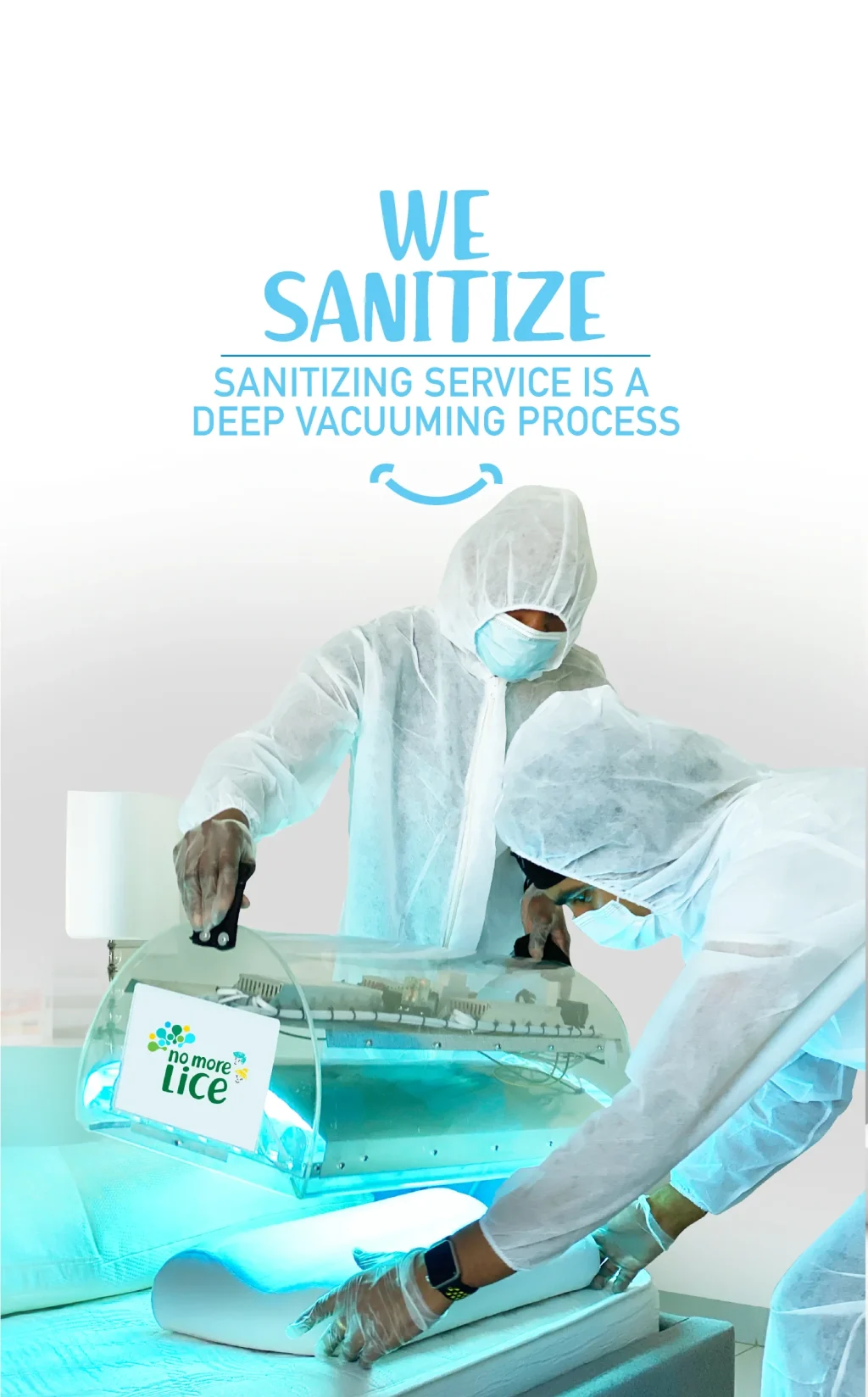
For a child already feeling embarrassed or uncomfortable about head lice, sitting through a long removal session can make an unpleasant experience even harder. The environment, treatment process, and way staff interact with young clients can all influence how children respond. A calm setting, gentle handling, age-appropriate distractions, and clear explanations can ease anxiety and make the experience less intimidating.
Here’s how a lice treatment salon can help children feel more relaxed throughout the removal process.
Prepare your child before the visit
Explain the appointment in simple, honest language. Tell your child that a trained specialist will check the scalp, apply treatment, and remove lice or nits with care. Avoid scary details or dramatic warnings. Let your child ask questions and choose a comfort item, such as a favorite toy or book. A relaxed conversation builds trust and gives the child a clear idea of what happens next.
Choose comfortable clothing
Soft, loose clothing helps your child stay relaxed during the session. Pick a shirt with an open neckline if possible, since specialists may work around the neck and shoulders. Avoid tight collars, stiff fabrics, or accessories that interfere with scalp care. Familiar clothing offers reassurance during an unfamiliar setting and lets your child settle comfortably.
Use breaks wisely
Children may sit still better when the session includes brief pauses. Ask the specialist about suitable break points before treatment starts. A short stretch, a sip of water, or a few minutes of conversation can reset attention. Avoid rushing, since sudden movements can make scalp combing harder and less comfortable. Simple pauses also give children time to relax their shoulders and hands.
Keep the scalp routine gentle
Specialists usually inspect the scalp, apply suitable products, and comb through sections systematically. Parents can support comfort by reminding children to sit still and report itching, pulling, or discomfort. Gentle communication helps the specialist adjust pressure or technique when appropriate. Avoid scratching during treatment, since irritated skin may become more sensitive. Quiet reassurance helps children stay settled through each section.
Offer calm support afterward
Praise your child for cooperating instead of focusing on discomfort. Offer a quiet activity after the appointment and let the child rest if tired. Follow the specialist’s instructions about washing, combing, cleaning personal items, and checking the scalp. Consistent home care helps reduce another infestation and supports recovery. Keep the mood positive, give simple praise, and answer questions without adding fear. This small reward can reinforce future cooperation.